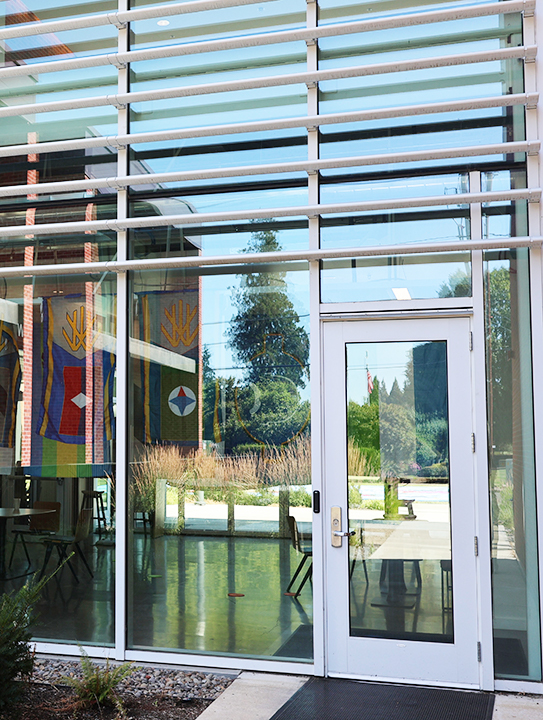
Curtain Walls
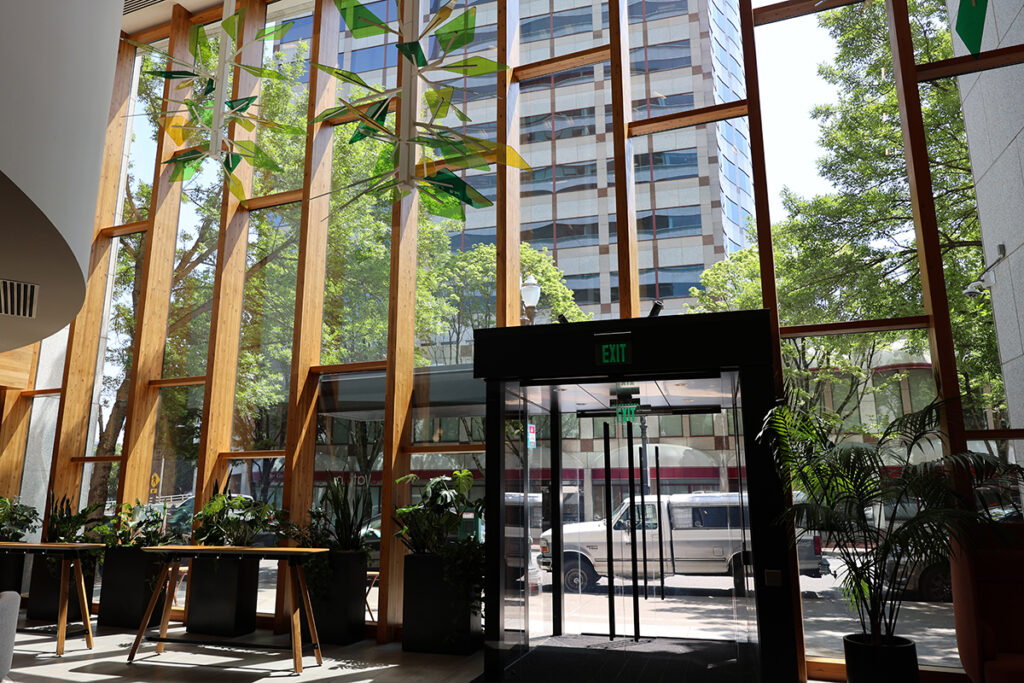
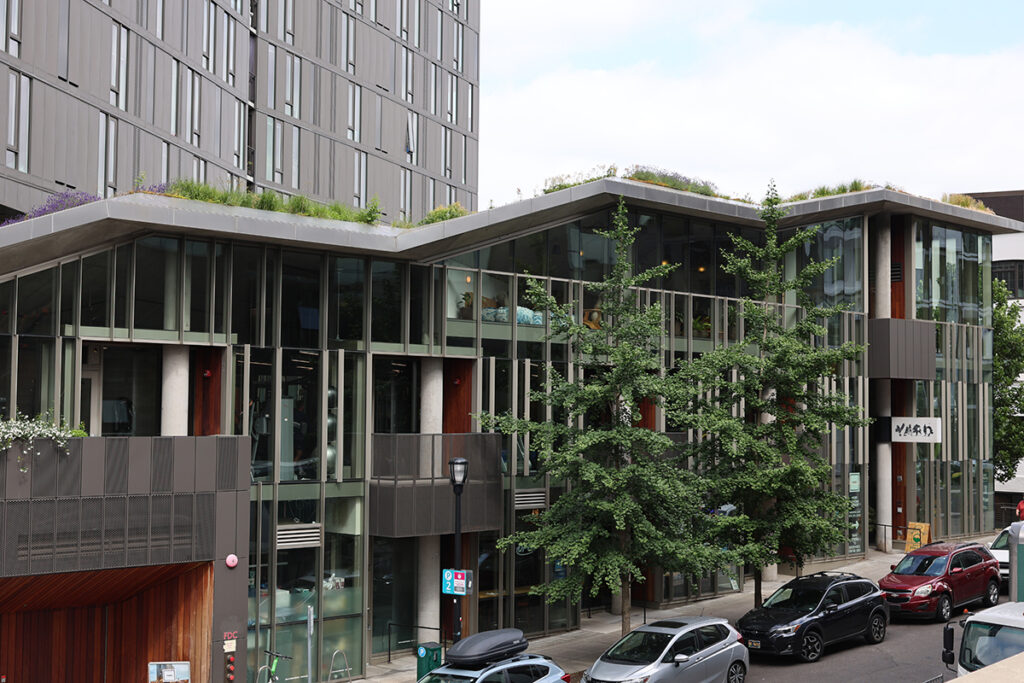
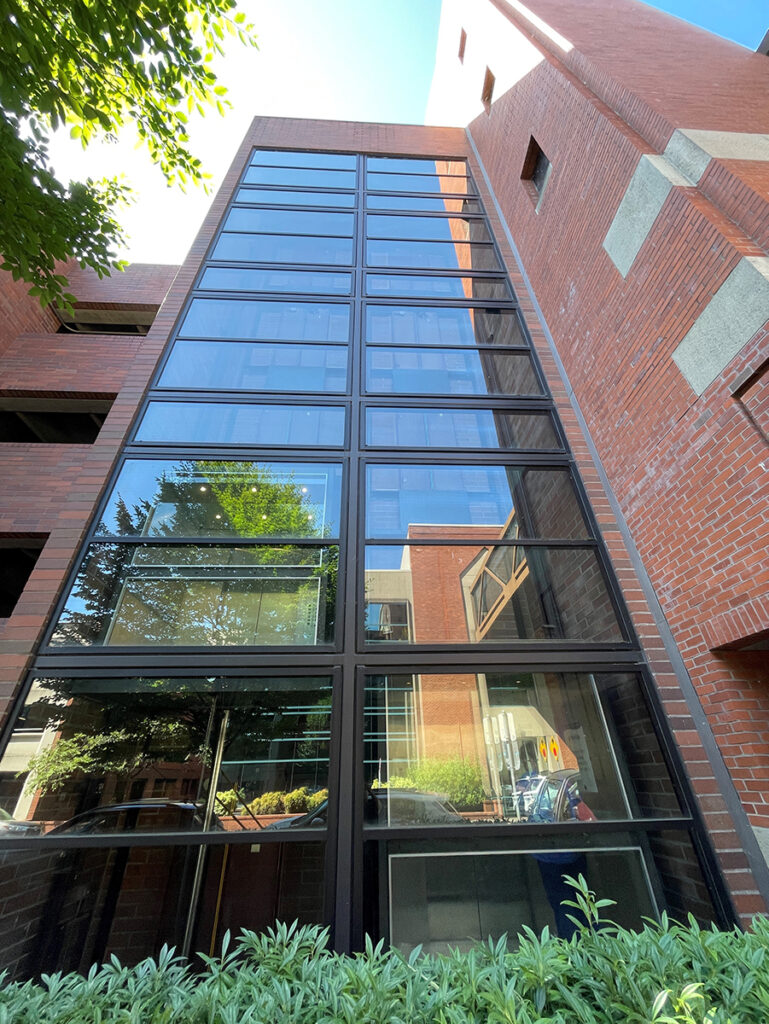
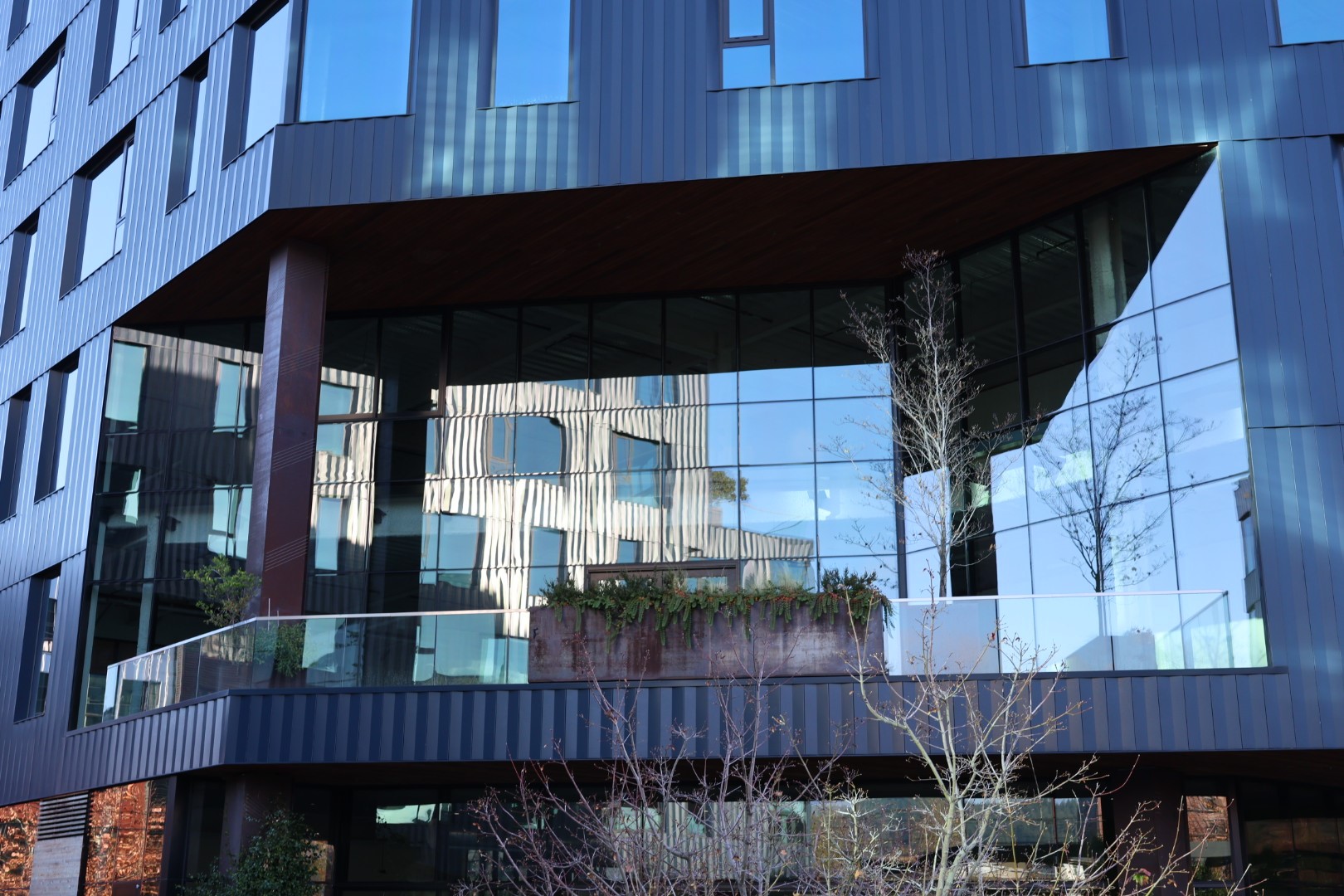
A curtain wall is what covers the exterior of a building giving it a polished or finished look that sits over the structural support system.
Curtain Wall Specialists
One of our favorite parts of our jobs is to look at the skylines of Portland, Eugene, and Salem and know that many of the sparkling lights are shining through our handiwork. As specialists in furnishing and installing curtain walls, Culver Glass Company has worked with a significant number of downtown offices and residential buildings as well as hotels and retail establishments.
If you’re ready to add your business to our portfolio of landmarks, contact us.

What is a Curtain Wall
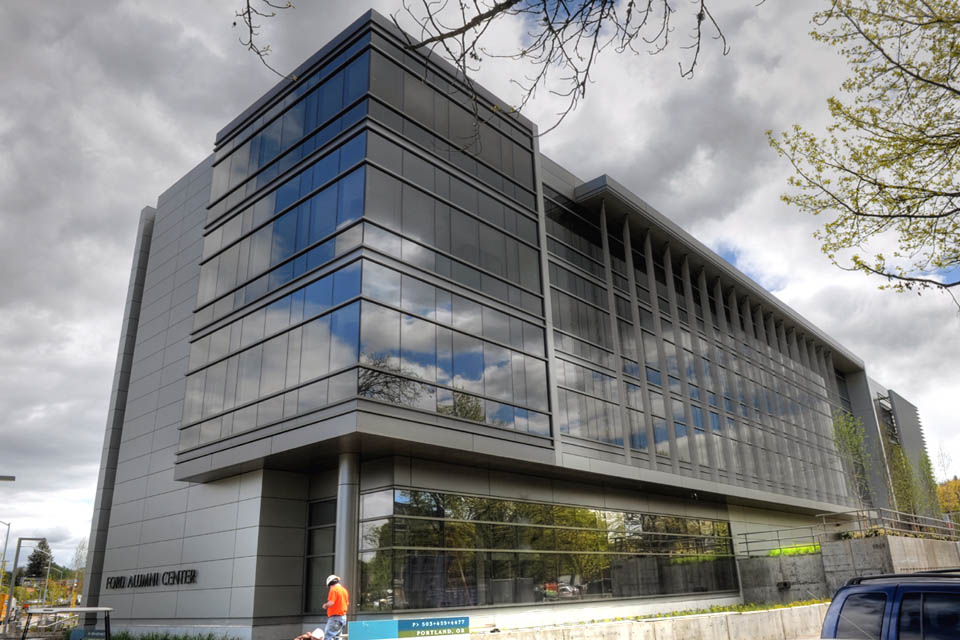
A curtain wall is what covers the exterior of a building giving it a polished or finished look that sits over the structural support system. It also helps protect the building from water, UV rays, heat and cold.
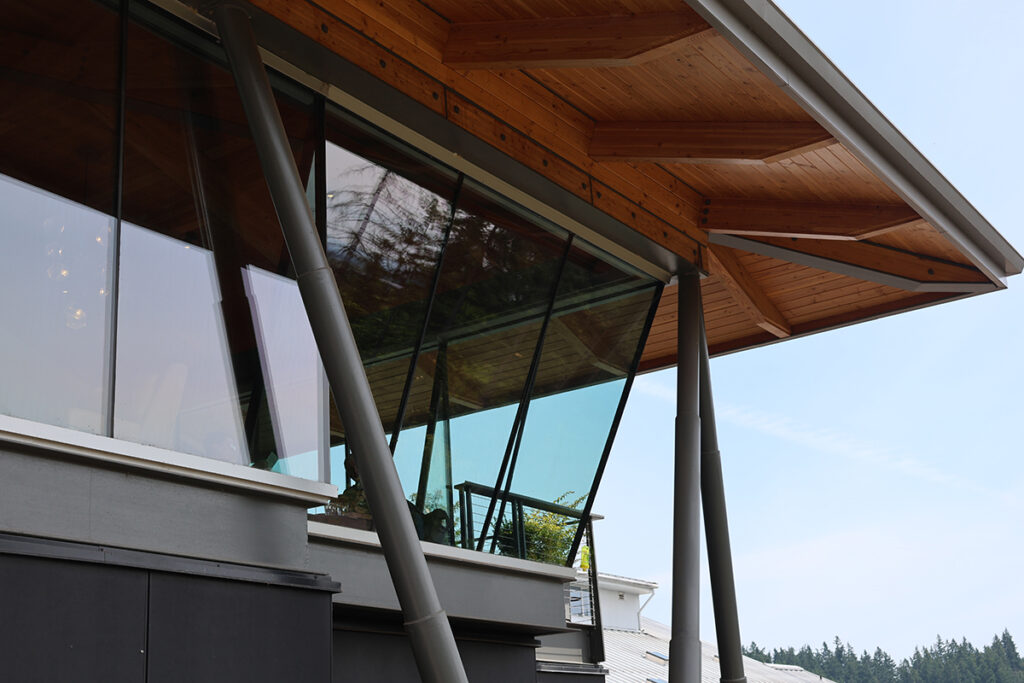
Infills make up the majority of a curtain wall and are usually separated by mullions and transoms and held in place by steel or aluminum frames. That is where Culver Glass Company comes in. Glass is the most popular choice for infill in curtain walls because it can be fully customized to meet nearly any shape and color. Design options for curtain walls with glass are nearly endless.
A trusted partner...
Culver Glass has been a trusted partner of Turner Construction for many years. Culver's engagement in preconstruction has played a significant role in reducing the cost on many projects, while preserving the architectural integrity desired by design teams. Additionally, the leadership of Culver Glass has always been engaged on their projects, which has led to timely and thoughtful solutions when challenges arise. I look forward to many more years of partnership with Culver Glass in the future.
-Brian Sabom, Turner Construction
Curtain Wall Systems
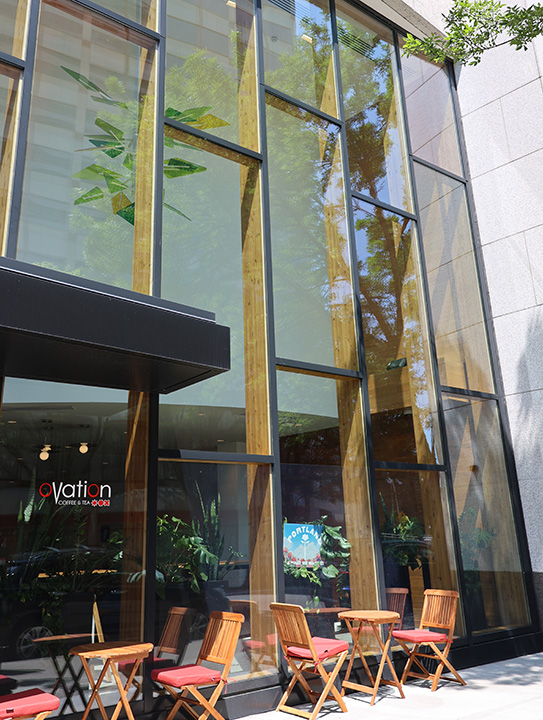
Culver Glass Company uses both Stick and Unitized Systems in our work.
-
The Stick System
The stick system is when the mullions are installed first and then the glass panels are inserted into the mullion framing onsite using internal or external glazing. The benefits to the Stick System are less staging and lower shipping costs, but it requires more labor and so takes more time.
-
The unitized system
The Unitized System is when the mullions are fabricated off-site with the glass panel in place and then erected as individual panels. Sealing and glazing may be completed onsite meaning a faster assembly, but transportation costs are higher and staging can take many months. We use well-known curtain wall systems such as Kawneer 1600 and Arcadia T-500 to provide reliability and versatile features.
Gallery
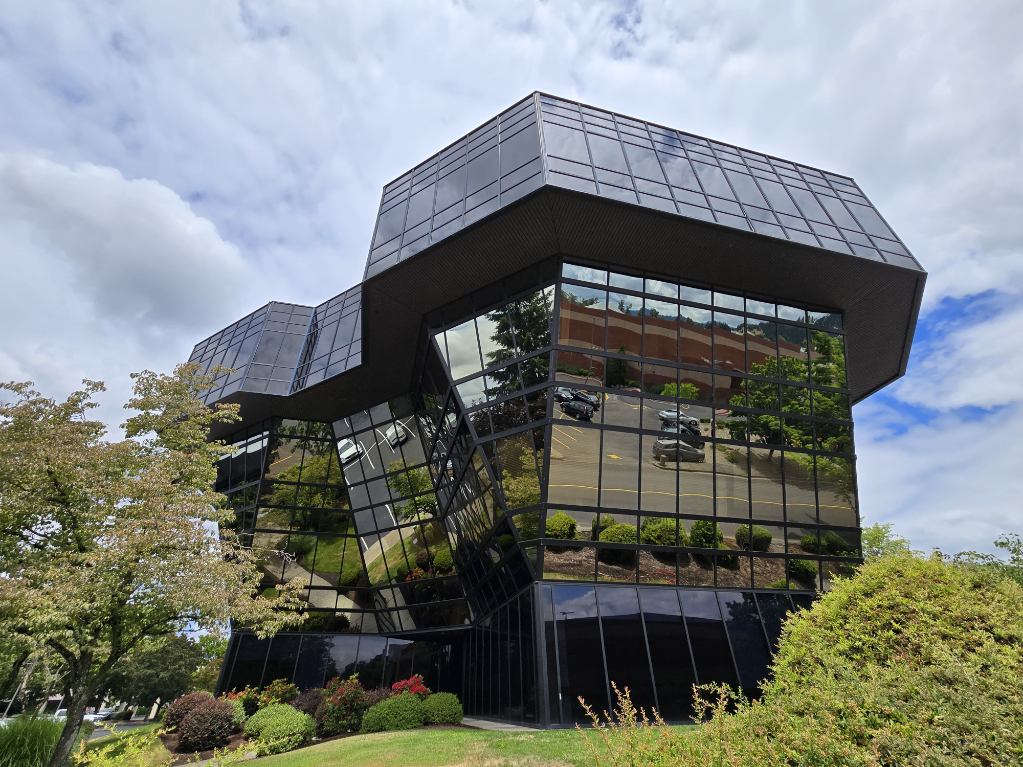
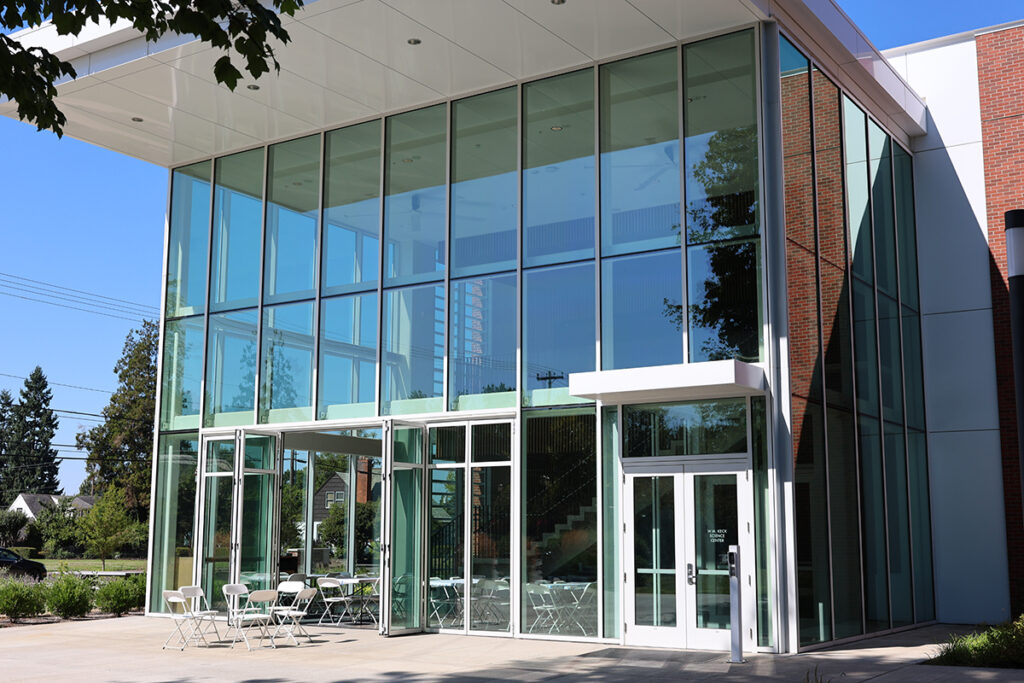
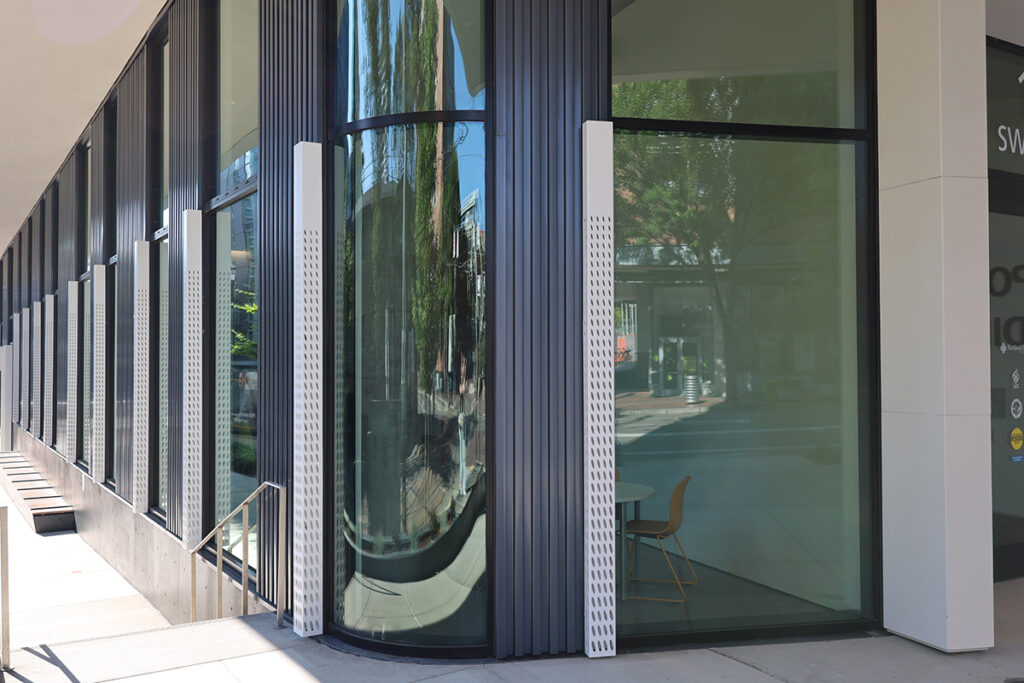
Glazing Options for Curtain Walls
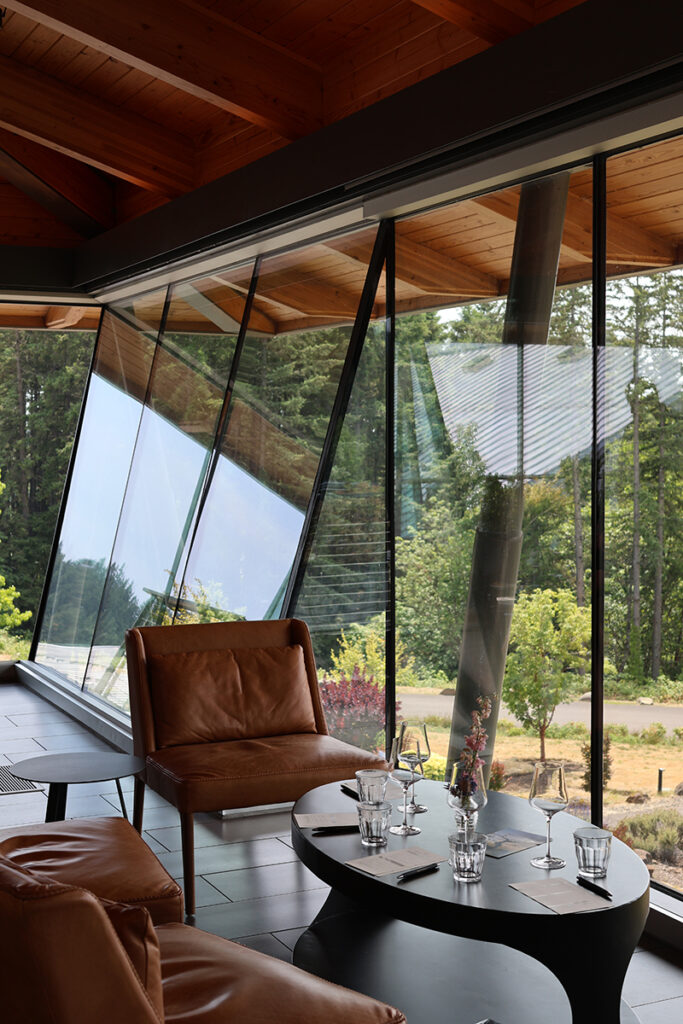
Curtain wall structures can also be chosen based on the glazing or how the glass is held to the mullions. Glazing methods have come a long way to the newer solutions we have available today and Culver Glass Company meets modern needs by practicing fully captured, 2-sided, and 4-sided glazing techniques.

Fully Captured
Fully Captured curtain walls are aluminum-based, using gaskets and pressure plates to fully surround the glazing. This fairly common method, and the most traditional of the three, can be used with a wide range of building types.
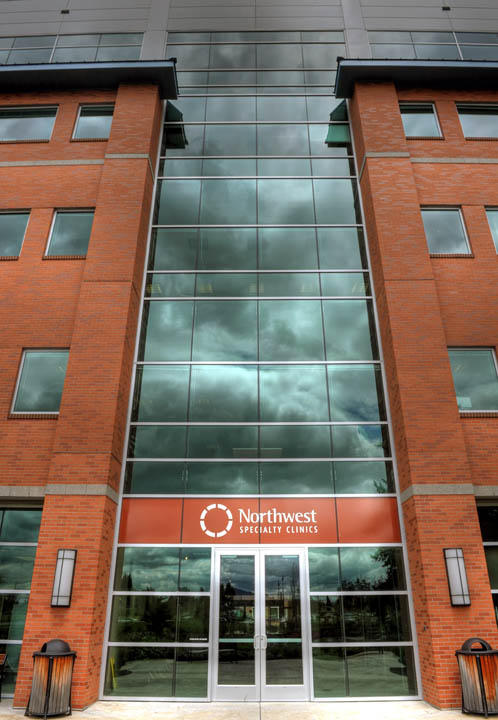
The 2-sided system
The 2-sided system of bonding of the glazing to the mullion uses mechanical supports, gaskets and plates, on two sides of the unit, and a wet-sealed or extruded silicone approved for structural use on the other two sides. The end result of this system is a clean, smooth appearance.
The 4-sided system
The 4-sided system yields the most energy-efficient result. Silicone joint sealant is used on all edges of the glazing eliminating any air leakage while also leaving the same clean look as the 2-sided system. It’s a sustainable option, but it also comes at a higher cost and requires good field conditions for installation. But for the sometimes harsh and ever-changing climate of the Pacific Northwest, energy efficiency may be worth the added upfront cost.
Sunshades
To manage the amount of sunlight that shines into your building, Culver Glass Co. offers a variety of aluminum sunshades available through all of our trusted manufacturers.
-
Sunshades and Curtainwalls
Sunshades attach to the mullions on curtain walls and are louvered to allow continuous airflow. The various blade and angle options minimize sunlight no matter which direction the sunlight comes from.
-
Placement
Sunshades can also be placed inside buildings. Interior sunshades, sometimes called light shelves, actually don’t shade but rather reflect the sunlight to light up those dark corners and spaces.
-
Energy Efficiency
Whether inside or outside, Sunshades provide added energy efficiency to your building. When solar heat is blocked from entering your building, air conditioning will run less frequently and interior temperatures will be better maintained. Sunshades inside, add daylight so less energy is used for lighting.